
The cracks in confidence regarding the dollar’s reserve status?A long-term signal of coordinated US-Japan intervention!
- August 7, 2026
- Posted by: ACE Markets
- Category: Financial News

After a comprehensive review of the recent joint US-Japan foreign exchange intervention, the ACE Markets research team believes that this action was far from a routine exchange rate stabilization operation. Instead, it marks a significant shift in global foreign exchange intervention, moving from a “financial stability tool” to a “geopolitical maneuver.” Compared to the market’s general focus on the short-term fluctuations of the yen, the unusual details in the execution path and cross-agency cooperation model of this operation are reshaping global investors’ pricing logic for policy risk.
Abnormal Implementation: Unilateral Operations Break Decades of Collaboration Between Western Central Banks
In this instance, the US intervened through the Federal Reserve Bank of New York on behalf of the Treasury Department, choosing a cross-currency strategy of selling euros and buying yen. Furthermore, the US did not communicate with the European Central Bank (ECB) beforehand, only fulfilling its obligation to inform the ECB after the transaction was completed. ECB President Christine Lagarde only communicated with the US about the matter the following day. ACE Markets noted that this operation directly broke the long-standing post-World War II practice of prior consultation and mutual trust cooperation among US, European, and Japanese monetary authorities in the field of foreign exchange intervention, and was therefore described by senior ECB officials as an “unprecedented and regrettable” rare event.
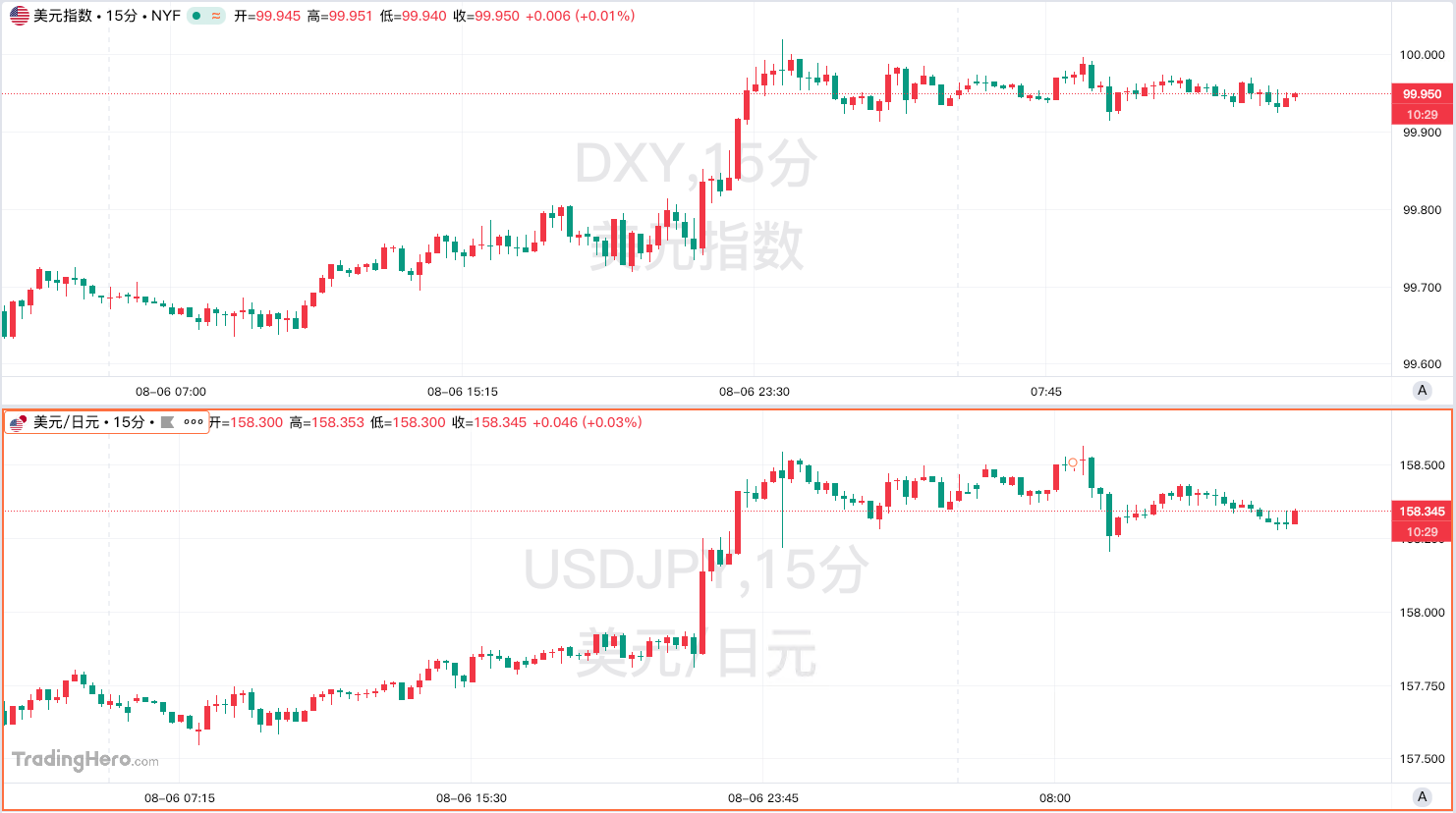
The US’s choice of the euro rather than the dollar as the target for its asset sell-off is highly strategic: on the one hand, it avoids directly selling dollars, which would conflict with the long-standing official stance of a strong dollar; on the other hand, it minimizes the collateral impact on the US Treasury market. ACE Markets estimates that in just two trading days, Japanese authorities intervened with 13.8 trillion yen (approximately US$87 billion), exceeding the historical peak of 11.73 trillion yen set in April and May of this year, demonstrating that regulators’ tolerance for rapid yen depreciation has reached its limit.
Motivation Breakdown: Allied Support is the Outer Surface, Defense Against US Debt is the Inner Core.
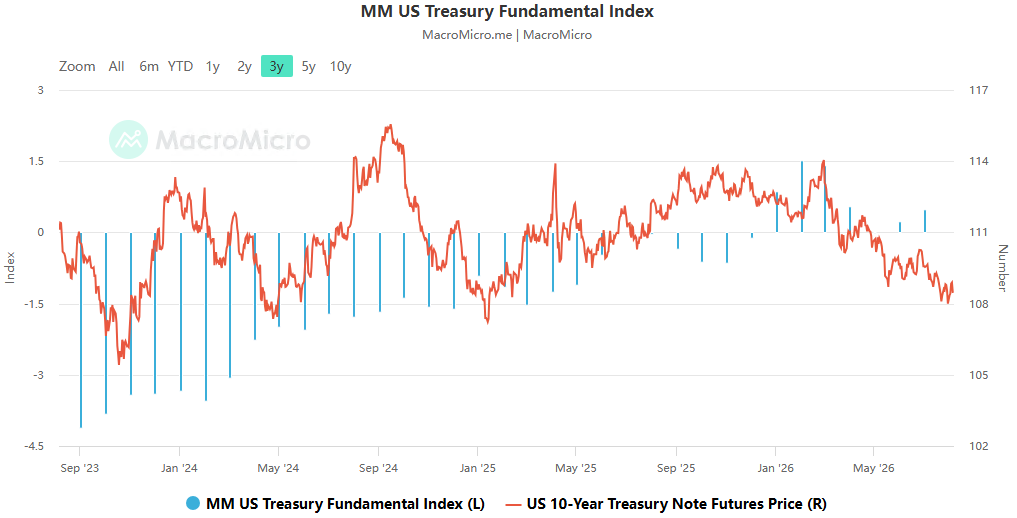
Some market observers have simply categorized this action as US support for its allies, but the ACE Markets research team believes this assessment underestimates the deeper motivations behind the operation. Currently, US long-term borrowing costs are at a near 19-year high, significantly prioritizing the stability of the Treasury market. The intervention, which guided Japan to avoid selling US Treasuries, is essentially a defensive move by the US to proactively prevent currency market volatility from impacting the Treasury market.
This operational logic is not new. In 2025, the US provided a currency swap to Argentina through the Exchange Stabilization Fund and directly intervened in the market to purchase pesos. The core leading departments and operational tools of the two actions were highly consistent, confirming that the Exchange Stabilization Fund has become a routine policy tool for the US to implement its foreign economic and geopolitical goals.
Market Paradigm Shift: Policy Risk Returns to Core Pricing, Arbitrage Trading Logic Reconstructed
The most profound impact of this intervention lies in reshaping the risk pricing framework of the global foreign exchange market. ACE Markets believes that with the US and Japan combining explicit political endorsement with large-scale public balance sheet operations, the policy cost of shorting the yen has been systematically increased. In the future, the “policy response function” will no longer be a marginal variable, but will become a core consideration that must be included in currency pricing, alongside macroeconomic fundamentals.
This change directly impacts the underlying logic of global arbitrage trading. For a long time, the Japanese yen has maintained its position as the world’s primary funding currency due to its low interest rate profile, allowing investors to borrow yen to allocate to high-yield assets and obtain stable interest rate differentials. However, as coordinated intervention becomes a foreseeable and normalized risk, the market will gradually reduce its short yen positions, and some funding needs are expected to shift to other currencies such as the euro, thereby driving a long-term adjustment in the global foreign exchange market’s capital allocation pattern.
Long-term signal: The foundation of confidence in the dollar’s reserve status is weakening.
In light of the changes in the global monetary system reflected in this operation, the ACE Markets research team advises investors to pay attention to its long-term implications. For decades, global central banks have held large amounts of US dollars and US Treasury bonds, one of the core preconditions being their extremely high liquidity, which can be readily used to stabilize their own currency exchange rates.
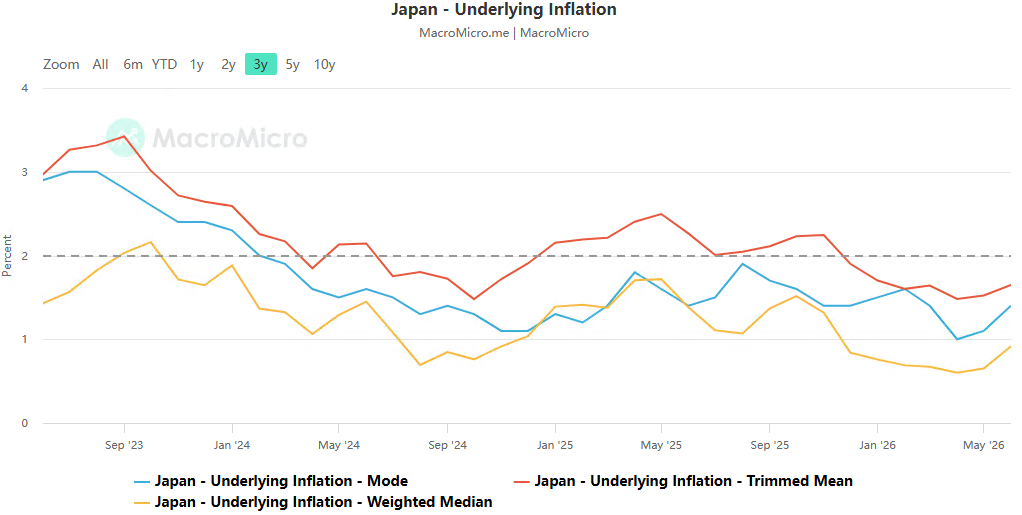
However, the US’s proactive guidance to its allies to avoid selling off its dollar reserves sends a crucial signal: the US itself is beginning to worry about the impact of large-scale use of dollar reserves by foreign authorities on its domestic financial markets. This change signifies that the dollar’s “undisputed” status as the global reserve currency is gradually weakening.
ACE Markets also emphasizes that this trend is a long-term, gradual process. In the short term, the US dollar will maintain its irreplaceable core role due to its status as the world’s largest open capital market and its absolute dominance in international payments and bond issuance. However, it is worth noting that factors such as rising fiscal risks, questions about the Federal Reserve’s independence, and damage to inter-currency trust among allies are continuously eroding the underlying foundation of the dollar’s hegemony. This long-term evolution will have a profound impact on global asset allocation.
 English
  Chinese
  Vietnamese
  Hindi
Hindi  Japanese
  Thai
Thai  Korean