
The century-long struggle for Federal Reserve independence! Can Powell’s continued tenure recreate the Icos legend?
- January 20, 2026
- Posted by: ACE Markets
- Category: Financial News
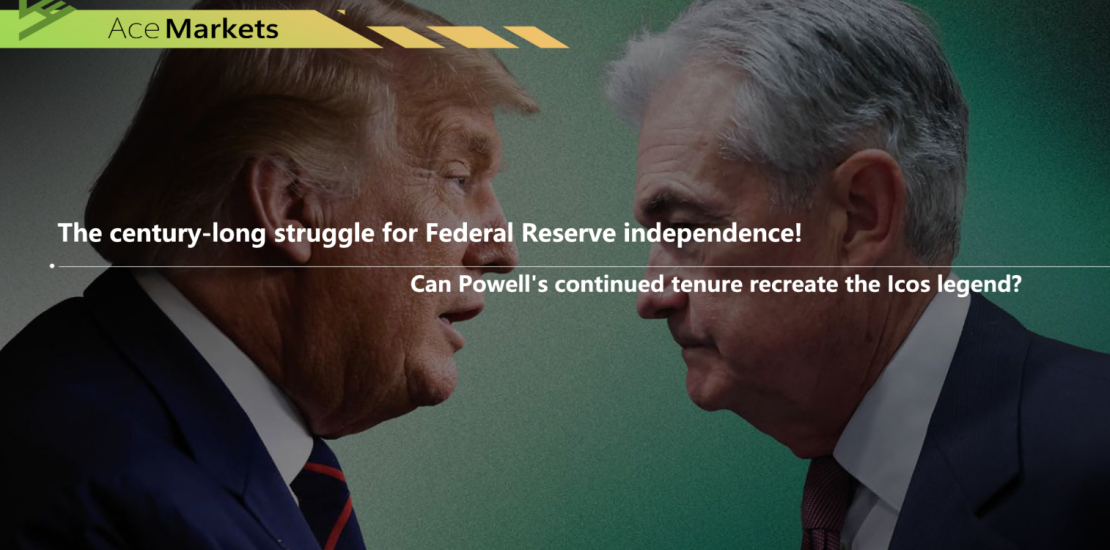
The Justice Department’s criminal investigation into Federal Reserve Chairman Jerome Powell is pushing the Fed into a crucial battle over its institutional independence. Powell’s term as Fed chairman ends on May 15, but his term as a member of the Fed’s Board of Governors will continue until January 31, 2028. Historically, Fed chairmen typically leave the Board upon leaving office, but Powell could become the first former chairman in nearly 50 years to remain on the Board—a choice that will profoundly impact the Fed’s future direction.
Trump’s pressure and investigation controversy
Jerome Powell was appointed Federal Reserve Chairman by Donald Trump in 2018, and Trump is now attempting to take control of the Fed before his term ends. Trump has repeatedly attacked Powell, dissatisfied that he has not cut interest rates as sharply as he desires. Despite current inflation cooling, high costs of groceries, utilities, and housing remain a prominent political issue, which Trump believes Fed rate cuts can alleviate.
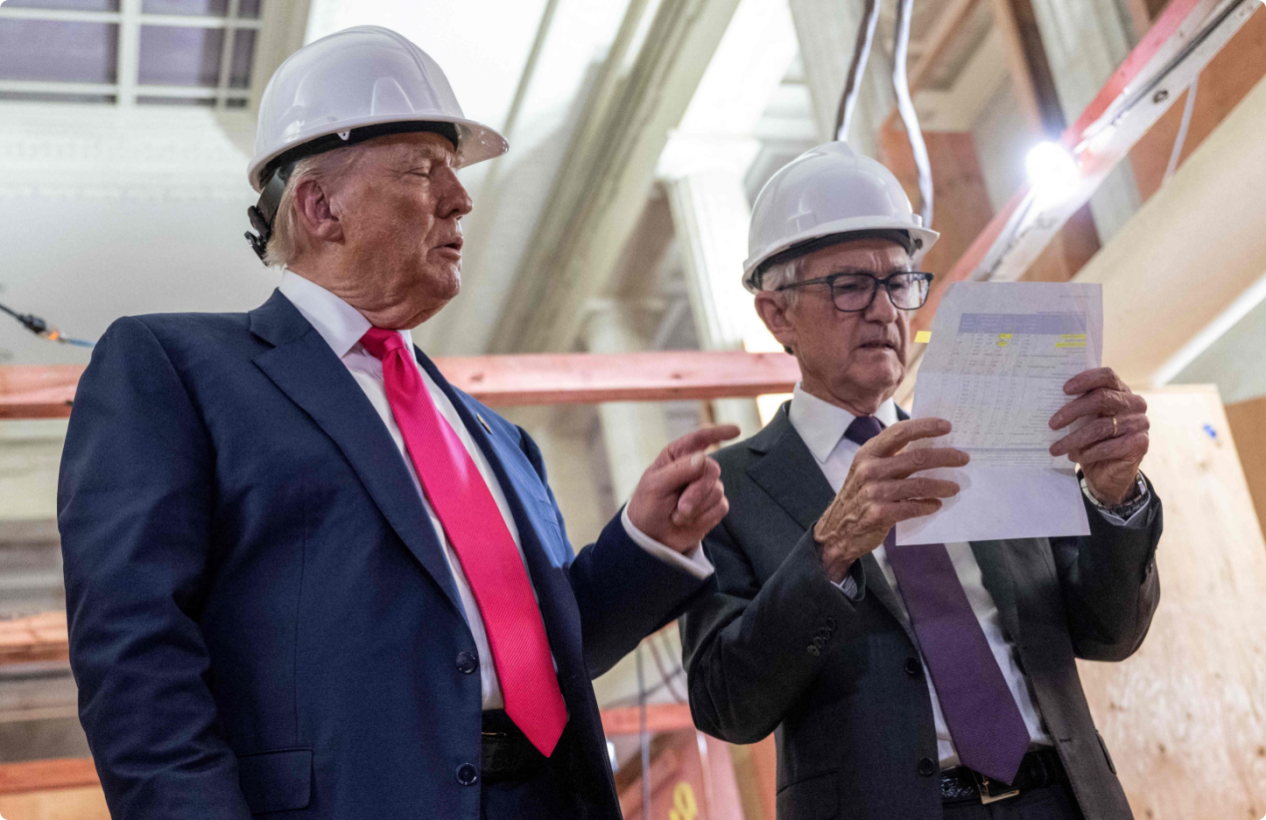
In an effort to pressure Powell, the Justice Department launched a criminal investigation into his testimony last June regarding the $2.5 billion renovation of two Federal Reserve office buildings, issuing a grand jury subpoena. Trump had publicly criticized the renovation project as extravagant, and the investigation is widely seen as an escalation of the president’s attempts to intervene in monetary policy. In response to the investigation, Powell issued written and video statements on January 11, stating that the subpoena should be viewed within the context of continued government pressure. He emphasized that the threat of criminal charges was a consequence of the Federal Reserve’s insistence on setting interest rates based on assessments of the public interest, rather than succumbing to the president’s preferences. This strong counterattack has led to widespread speculation that he may choose to remain on the Board of Governors.
Retaining members of the Board: a check on Trump’s plans to control the Federal Reserve.
Trump has expressed his desire to nominate a new Federal Reserve chair in the coming weeks, but the ongoing investigation and the stance of Republican senators could delay the nomination process. If a new chair is not confirmed by May 15, Powell could continue as chair until a successor is approved, meaning the Fed will not cut interest rates as quickly as Trump desires. Even if Powell steps down as chair but remains on the board, Trump’s nominee will face numerous constraints.
Currently, Trump holds only three seats on the Board of Governors, insufficient to form a majority. Even if the new chairman favors significant rate cuts, he will struggle to convince his colleagues. Powell and other members of the Federal Open Market Committee could very well vote against the new chairman’s proposals. Such a situation, where the Board rejects the chairman’s policy, has not occurred since 1986. Furthermore, Powell’s continued tenure would overturn Trump’s plan to fill the Board with officials who support rate cuts. Although those who know him say his initial intention in remaining is to protect the Fed’s independence and he has no intention of acting as a “shadow Fed chairman,” his experience and track record in defending the institution will inevitably make him a powerful check within the Fed.
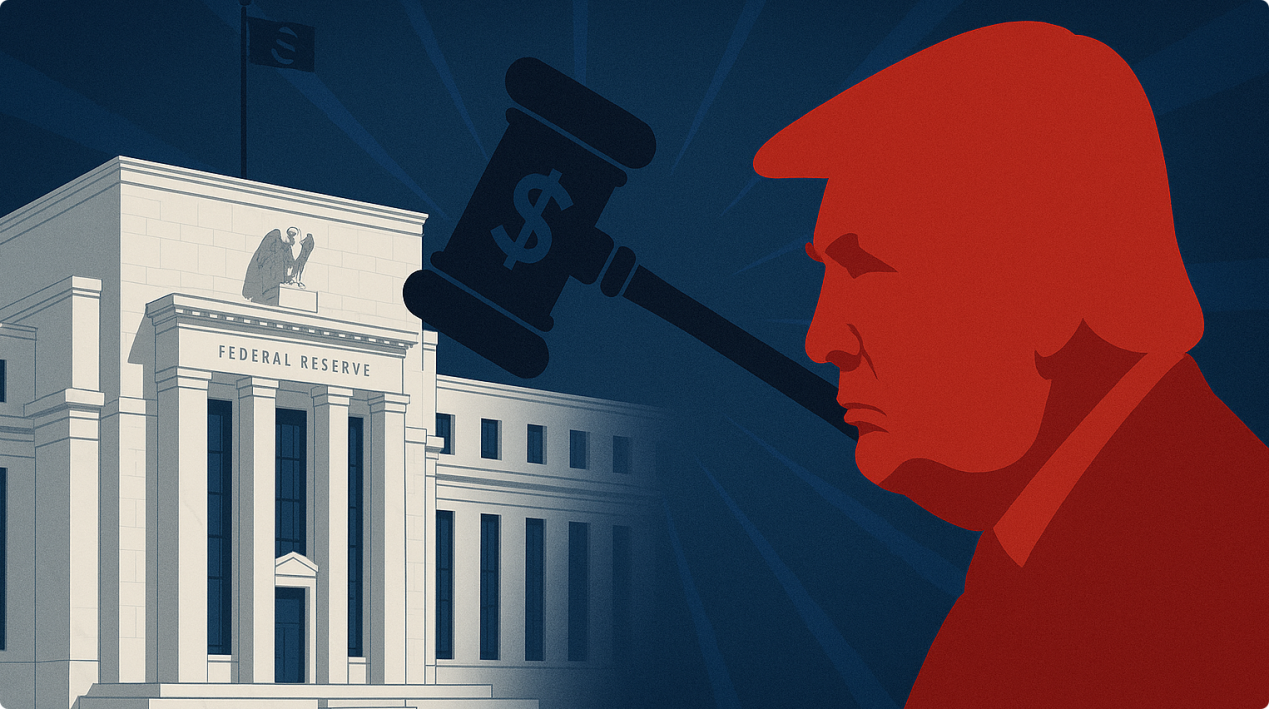
However, this situation has also raised some concerns. Former Cleveland Fed President Loretta Mester pointed out that this could create a “dual pope” situation, making it difficult for financial markets and the public to determine the true power within the Fed and the future direction of interest rate policy. Antulio Bomfim, global macro director at Northern Trust Asset Management, also noted that while Powell himself may not crave the spotlight, the formation of this situation is beyond his control.
Leaving the Board: Trump’s Opportunity to Take Full Control of the Federal Reserve
If Powell chooses to leave the Board, Trump will have a crucial opportunity to control the Federal Reserve. He could nominate a fourth member to the Board, thus gaining a majority. If the Supreme Court supports his attempt to fire current Governor Cook, Trump could even insert a fifth member, further consolidating his control. With a majority on the Board, the White House could push for radical reforms of the Fed. Treasury Secretary Bessant has consistently advocated for several reforms aimed at weakening the Fed’s influence on the economy and financial markets. The Trump administration could also use its majority on the Board to remove some regional Fed presidents. Regional Fed presidents are members of the Federal Open Market Committee (FOMC), with the New York Fed president having permanent voting rights, and the other four voting on a rotating basis. Several regional Fed presidents have publicly opposed Trump’s demands for deep interest rate cuts; if they are removed, the resistance to Trump’s push for rate cuts will be significantly reduced.
Historical Precedent: The Past and Present of the Federal Reserve’s Independence
Powell’s continued service on the Board of Governors is not without historical precedent. In 1978, then-Federal Reserve Chairman Burns served on the Board for three weeks after stepping down as chairman. Even earlier, in 1948, Chairman Ikos, after stepping down, continued to serve on the Board for three years at the request of then-President Truman. Ikos’s continued service had a profound impact on the development of the Federal Reserve. In 1951, he played a key role in an interest rate dispute, weakening the Truman administration’s attempts to intervene and facilitating the signing of the Federal Reserve-Treasury Agreement. This agreement established the modern Federal Reserve as an independent institution, and Ikos thus became a symbol of the Fed’s independence. The Federal Reserve’s headquarters building, currently under renovation and embroiled in investigation, is named after him.
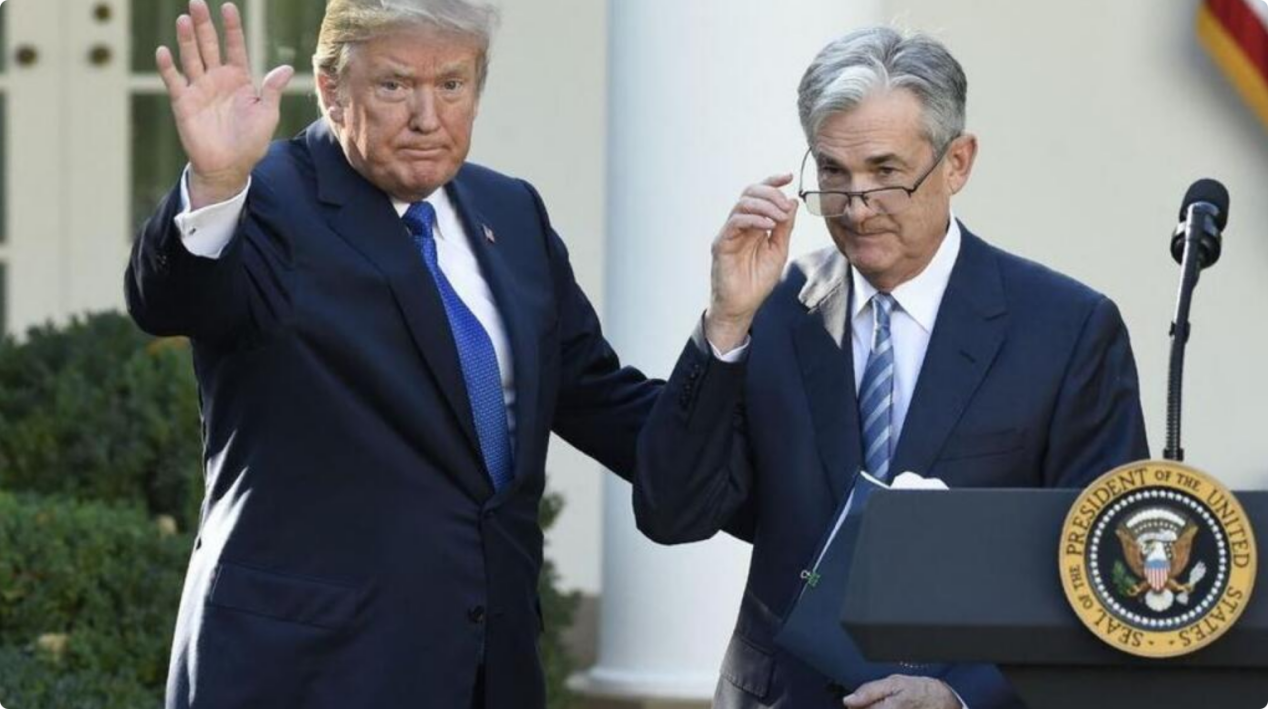
Truman later appointed Treasury official Martin as Chairman of the Federal Reserve, expecting Martin to be obedient. However, Martin defied his orders and chose to raise interest rates. Years later, Truman encountered Martin in New York and even called him a “traitor” to his face. To commemorate Martin’s unwavering commitment to the Fed’s independence, the second Fed office building in Washington, D.C., was named after him. Lev Menand, a law professor at Columbia University who studies the Federal Reserve, stated that this history serves as a warning to Trump. Even if a president installs his preferred candidate at the Fed, there is no guarantee that the candidate will be completely compliant.
Future Direction: An Unresolved Game
Currently, Powell has not clearly stated his plans to remain in office, and the progress of legal proceedings remains uncertain. While Trump has indicated he has selected a nominee for the new chairman, he has not yet released a specific list. National Economic Council Director Hassett and former Federal Reserve Governor Warsh are considered leading candidates. Hassett has pledged to uphold the Fed’s independence if appointed, stating it is crucial for economic stability. Steven Kamin, a senior fellow at the American Enterprise Institute, analyzes that the Federal Open Market Committee may seek cooperation with the new chairman in the short term, but if the new chairman’s policies cause serious disagreements, committee members could very well turn to Powell for consensus. Meanwhile, officials within the Trump administration and its allies are also beginning to worry that escalating investigations into Powell could anger current board members and regional Fed presidents, ultimately making it difficult for the new chairman to implement policies. This power struggle surrounding the Federal Reserve continues to unfold.
 English
  Chinese
  Vietnamese
  Hindi
Hindi  Japanese
  Thai
Thai  Korean